


Stamped Concrete

Decorative outdoor flooring

Decorative Interior Flooring

Release Agents and Other Accessories
Shipping throughout Spain
You can contact us to request delivery anywhere in Spain, or visit us at or any of our locations throughout the country.
Technical Team
We have a technical team that will provide you with the best solutions tailored to your project. You can easily contact our technicians at any time.
Here's the product
Come visit any of our locations, and we'll show you why our product is the one you're looking for at .
Decorative flooring

Contact us or visit any of our stores
The Best Accessories for Our Flooring
Stamped Concrete vs. Other Types of Paving
Why is this the option that best balances aesthetics, durability, and cost?
When planning an outdoor floor—whether it’s a driveway, a patio, or a pool area—you’ll encounter options such as ceramic tiles, precast pavers, asphalt, or natural stone. Below you’ll find a concise comparison of their key features compared to Pavicret’s stamped (concrete) paving.
| Criterion | Stamped Concrete | Ceramic tile | Precast pavers | Asphalt | Natural stone |
|---|---|---|---|---|---|
| Durability (average service life) | Ages 15–25 | 10–15 years (the pieces may crack) | 10–15 years (piece displacement) | 5–10 years (potholes and cracks) | 20–30 years |
| Maintenance | Bottom: occasionally sealed, with no seams where dirt can accumulate | Upper: cleaning joints, replacing broken parts | High: weeds between tiles, repositioning | Medium-high: periodic cracking, patching | Moderate: Requires specialized cleaning and water-repellent treatments |
| Anti-slip safety | Customizable texture; Class 3 depending on the mold, ideal for wet areas | It depends on the tile; many tiles become slippery when wet | If the joints are uneven, they may lose their grip over time | Smooth surface with less traction in the rain | Good natural grip, but it can become smoother with use |
| Aesthetic Customization | More than 150 standard molds and 18 standard colors; mimics stone, wood, or cobblestone | Wide range of designs, but with visible joints | Classic aesthetics limited to a block shape | Monotonous and uniform finish | A premium image, with colors and shapes defined by the rock itself |
| Initial cost (approx.) | 20–40 €/m²; quick and seamless installation | ≥ 40 €/m²; labor-intensive per piece | 35–60 €/m²; labor and meticulous leveling | 25–50 €/m²; affordable, but shorter lifespan | 50–100 €/m²; extraction and transportation increase the cost |
Would you like to learn more about our stamped concrete?
Advantages of PaviCret Stamped Concrete
- Extreme Durability
Our mortars withstand daily abrasion and freeze-thaw cycles without losing their color or texture, thanks to their A22 classification and high resistance to UV rays. - Custom Design
More than 18 standard colors, endless mold combinations, and the ability to replicate natural stone, slate, or cobblestone using a single material. - Quick and monolithic installation
It is applied directly to fresh concrete, creating a continuous wearing course that requires no expansion joints or complex maintenance. - Non-slip safety
Slip coefficient Class 3, ideal for swimming pools, ramps and public access even when wet. - Long-term cost-effectiveness
Its durability and low maintenance reduce replacement costs compared to traditional finishes.
Key Benefits and Recommended Uses for Each Product
| Product | Key Benefit | Recommended Uses |
|---|---|---|
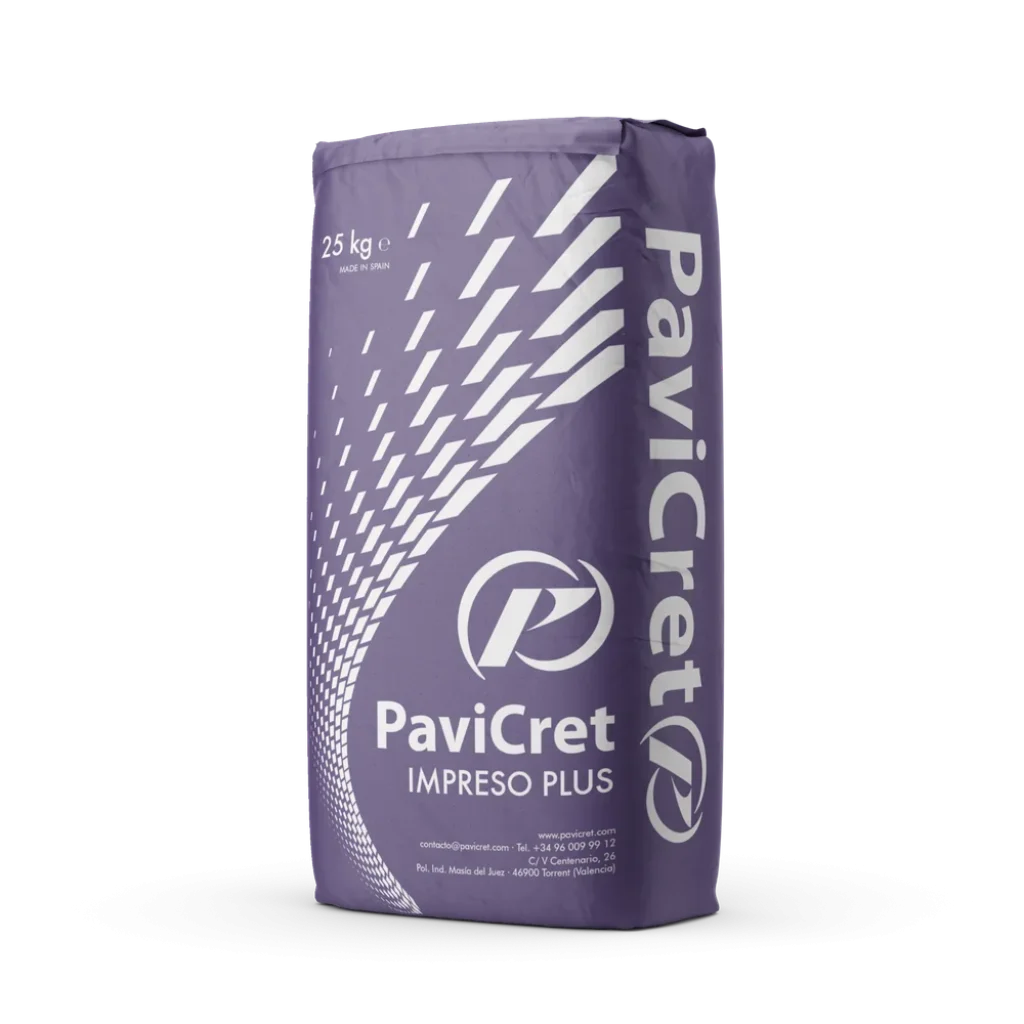
| PaviCret Impreso Plus | High mechanical and weather resistance; colorfast; coverage 4–6 kg/m². | High-traffic urban pavements, outdoor parking lots, public squares, garage ramps. |
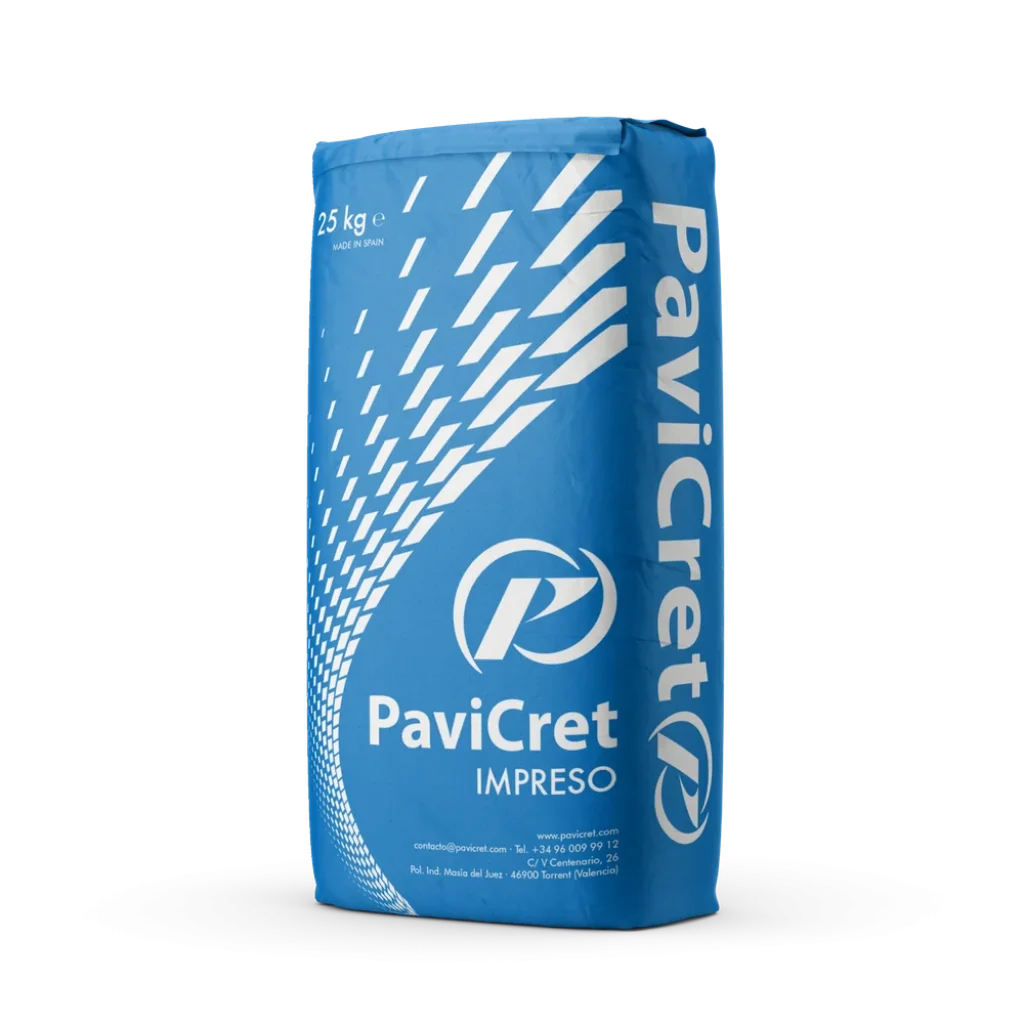
| PaviCret Imprinted | A texturable monolithic layer; a thinner alternative to stone or slate. | Sidewalks, patios, pool areas, walking paths, and private terraces. |
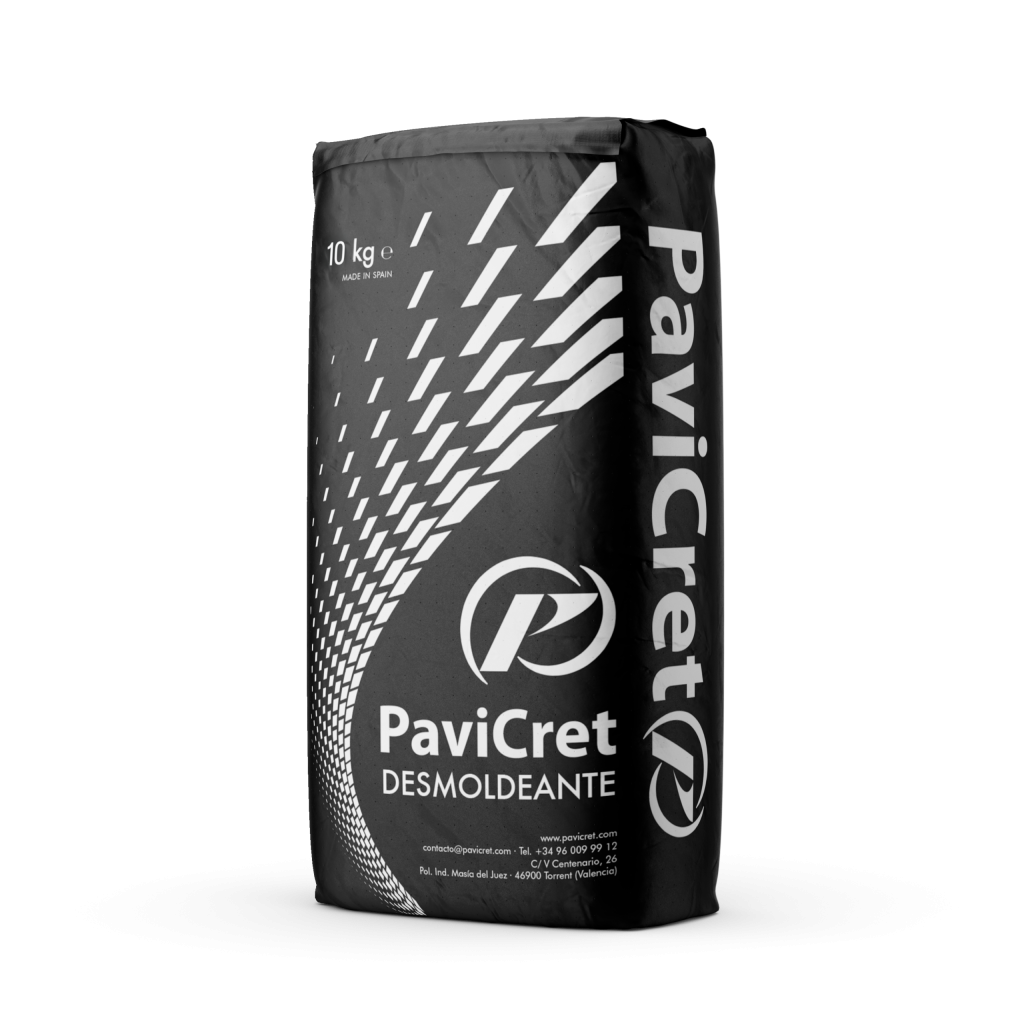
| PaviCret Release Agent Powder | Ultra-fine anti-adhesive powder; wide range of colors; aged or uniform finish. | Used during the molding phase of stamped concrete, to enhance two-tone effects and provide initial protection for the mortar. |
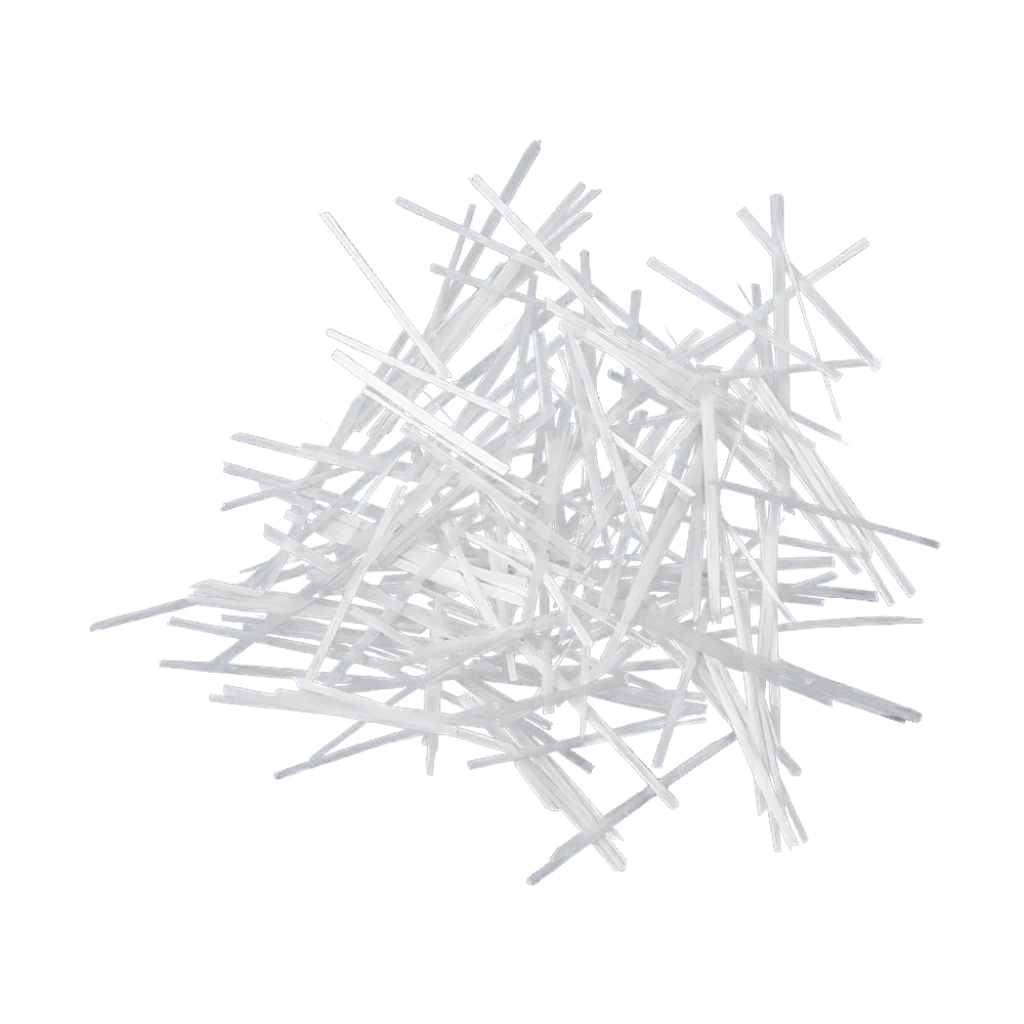
| Refordur Fiberglass | Replaces wire mesh; increases traction and controls shrinkage; single-use format. | Floors exposed to heavy loads (parking garages, industrial buildings), decorative flooring that requires maximum durability. |
The Best Accessories for Our Flooring
Additives are the key to enhancing the performance of stamped concrete: they facilitate application, improve adhesion, and enhance the final appearance.
They reduce construction time, extend the pavement’s service life, and ensure a professional, long-lasting finish.
| SUPPLEMENT | FUNCTION | WHEN TO USE IT |
|---|---|---|
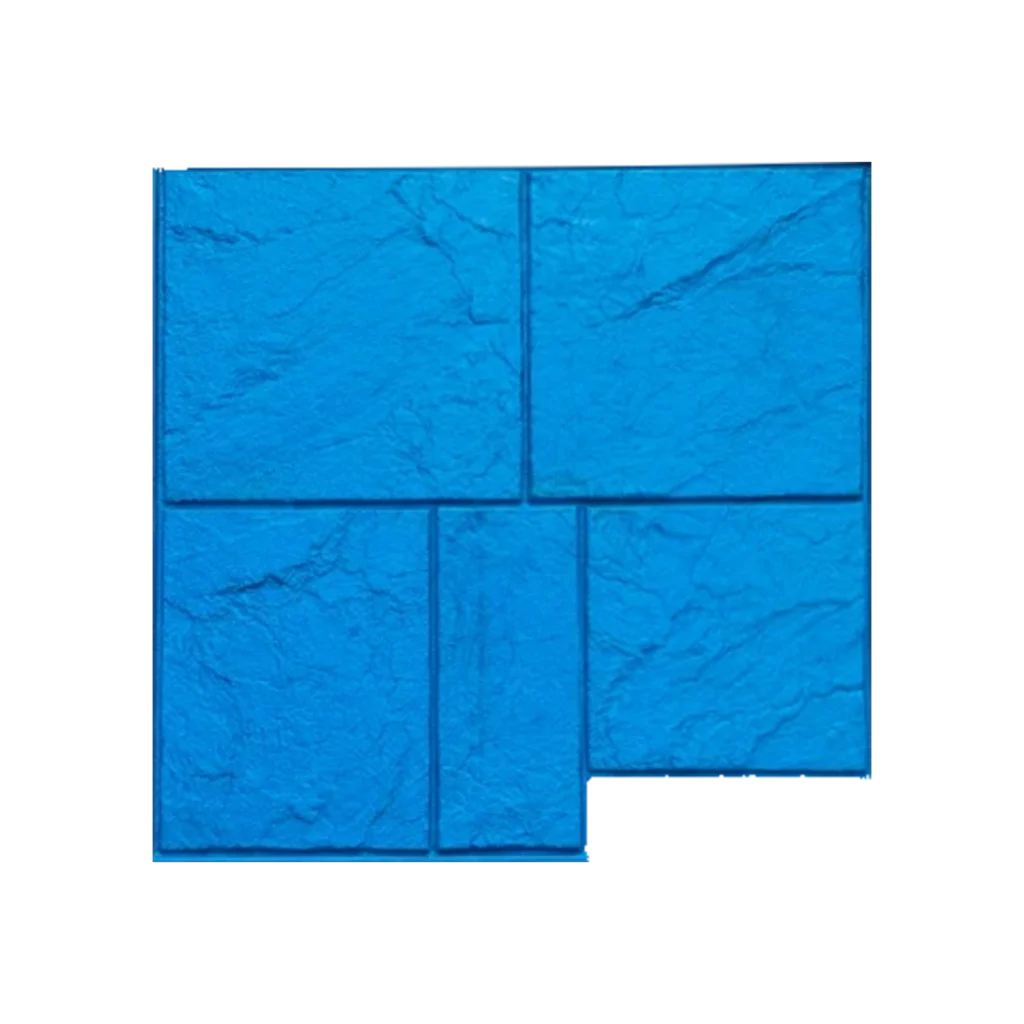
| PaviCret Molds | High-definition polyurethane molds that replicate the look of stone, wood, cobblestone, or slate. | Whenever you want to add texture and character to your paving without increasing material costs. |
| PaviLat Text | A flexible, waterproof bonding bridge that improves adhesion between substrates and gypsum or cement mortars. | Partial repairs, concrete-to-masonry joints, and especially in the restoration of curbs or stamped steps. |
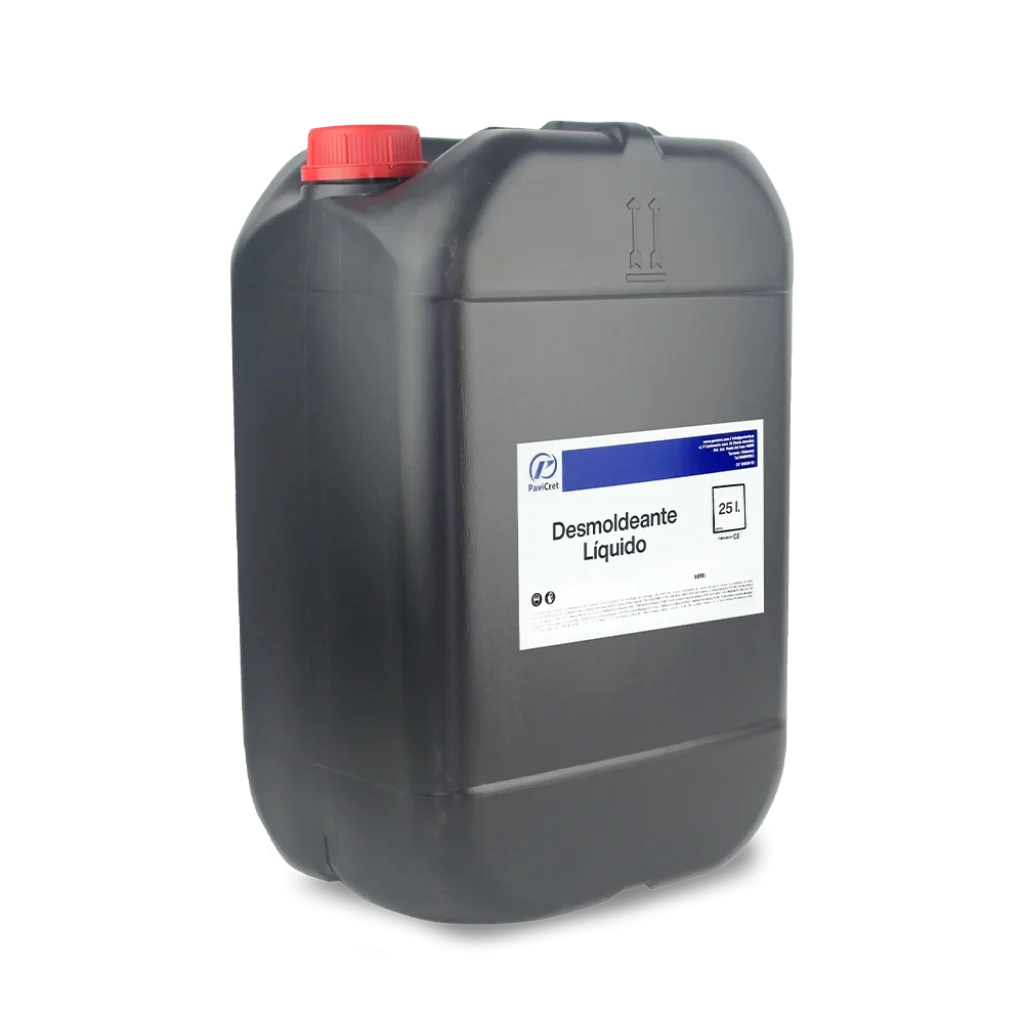
| PaviCret Liquid Release Agent | Anti-adhesive barrier in spray form; ideal for vertical surfaces or in cold climates where dust is difficult to control. | Vertical stamped concrete, walls, decorative facades, and indoor flooring. |
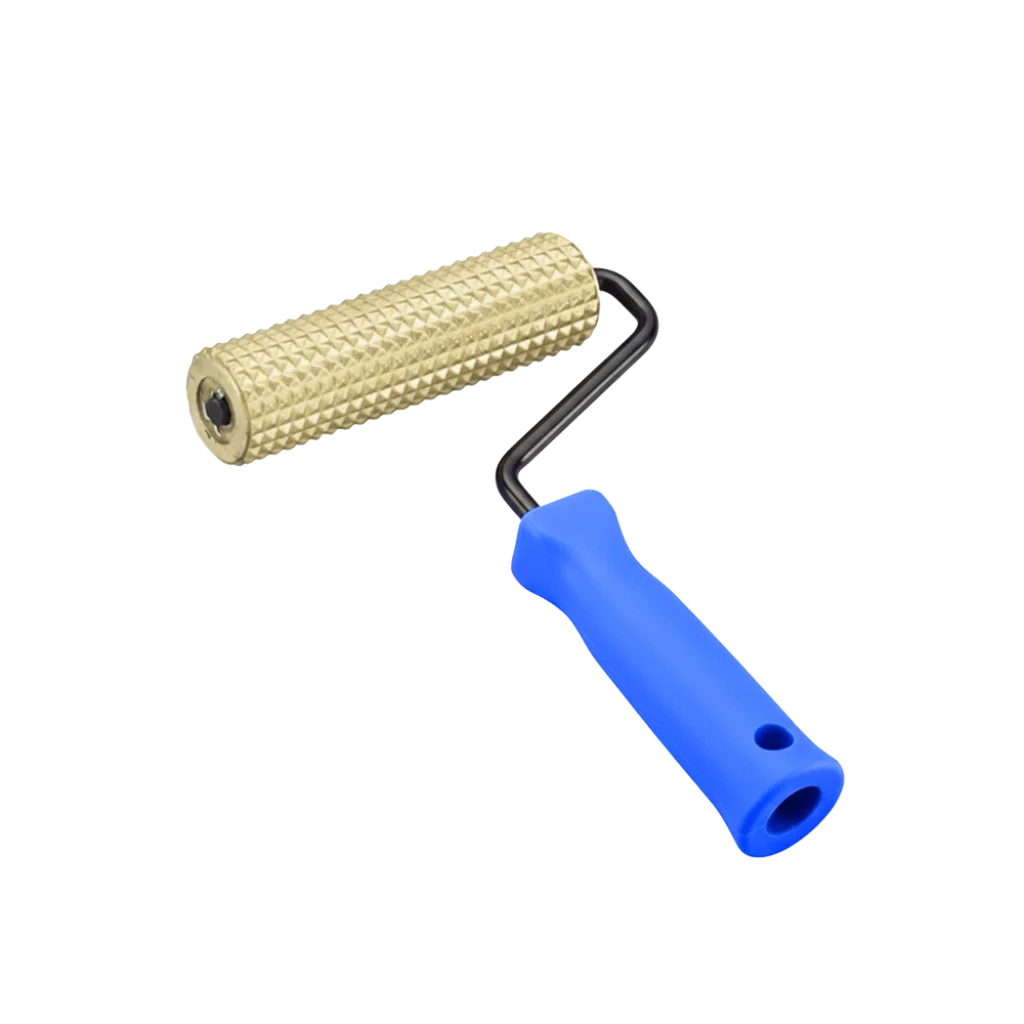
| Diamond-Tip Roller | A standard roller that accentuates joints and effortlessly creates non-slip microtextures. | Perimeter edges, ramps, steps, and areas where extra traction is needed. |

Certified by Bureau Veritas
Committed to quality. At Pavicret, we are certified to ISO 9001certification, awarded by Bureau Veritas, ensuring that all our processes meet the highest standards of quality management. This international recognition underscores our commitment to continuous improvement, efficiency, and, above all, customer satisfaction.

FAQs - Frequently Asked Questions About Pavicret Stamped Concrete
How is it applied?
The standard process consists of ten steps: preparing and compacting the base, pouring the concrete, smoothing and screeding, sprinkling the colored PaviCret Impreso/Impreso Plus hardener, troweling, applying the release agent, stamping the patterns, removing the forms, washing, and, finally, sealing the surface with PaviSol resin to enhance the color and protect it.
How long does it take to dry?
Under normal weather conditions (20 °C and 50% relative humidity), the surface can be walked on carefully after 24–48 hours; to support a vehicle, it is best to wait 5–7 days, and full structural cure is achieved after 28 days.
What is the average cost per square meter?
In Spain, in 2025, the average installed price ranges from €25 to €40 per square meter for standard finishes and can reach €50 per square meter for premium designs featuring multiple colors or special molds.
What kind of maintenance does it need?
Simply sweep or pressure-wash the surface when dirt accumulates, and reapply a coat of varnish every 2–3 years in residential areas (or sooner if you notice a loss of shine or water repellency—that is, water seepage).
What is the lifespan of stamped concrete?
When properly installed and sealed, a stamped concrete floor lasts more than 20 years without deteriorating, retaining its color and texture despite exposure to UV rays and freeze-thaw cycles.
Where can it be applied?
Its versatility makes it suitable for use on garage driveways, sidewalks, patios, pool decks, industrial buildings, and even walls (vertical stamped concrete), both outdoors and in high-traffic indoor areas.
Is it slip-resistant and safe to use around swimming pools?
Yes. With the right mold and finish, it can achieve Class 3 slip resistance (>45 Rd), as required by the CTE for wet areas and ramps.
How often should I reseal it?
To preserve the color and water resistance, it is recommended to apply a new coat of acrylic resin every 2–3 years, or sooner if water no longer beads on the surface.