


Pigments for
concrete and mortar
At Pavicret, we offer pigments for concrete, cement, and mortar, developed to add color to various construction applications and decorative finishes.
Our product line includes inorganic powdered pigments and comprehensive pigmentation systems for mass-mixed concrete, with solutions tailored to different requirements for dosage, packaging, and application volume.
We offer products for professional applicators, concrete plants, and precast manufacturers, along with technical advice to help select the right pigment based on the type of mix, the desired color, and the project conditions.
CONCRETE PIGMENTS
Concrete pigments allow for the creation of through-colored mixes and decorative finishes in a variety of shades. The products in the Pavicret line are suitable for applications such as flooring, architectural concrete, precast elements, and mortars.
When selecting a pigment, you should consider the type of cement, the composition of the mix, the desired color intensity, and the dosing conditions. Discover the HD Pigments, Pavicret Pigments, and Playcolor solutions.
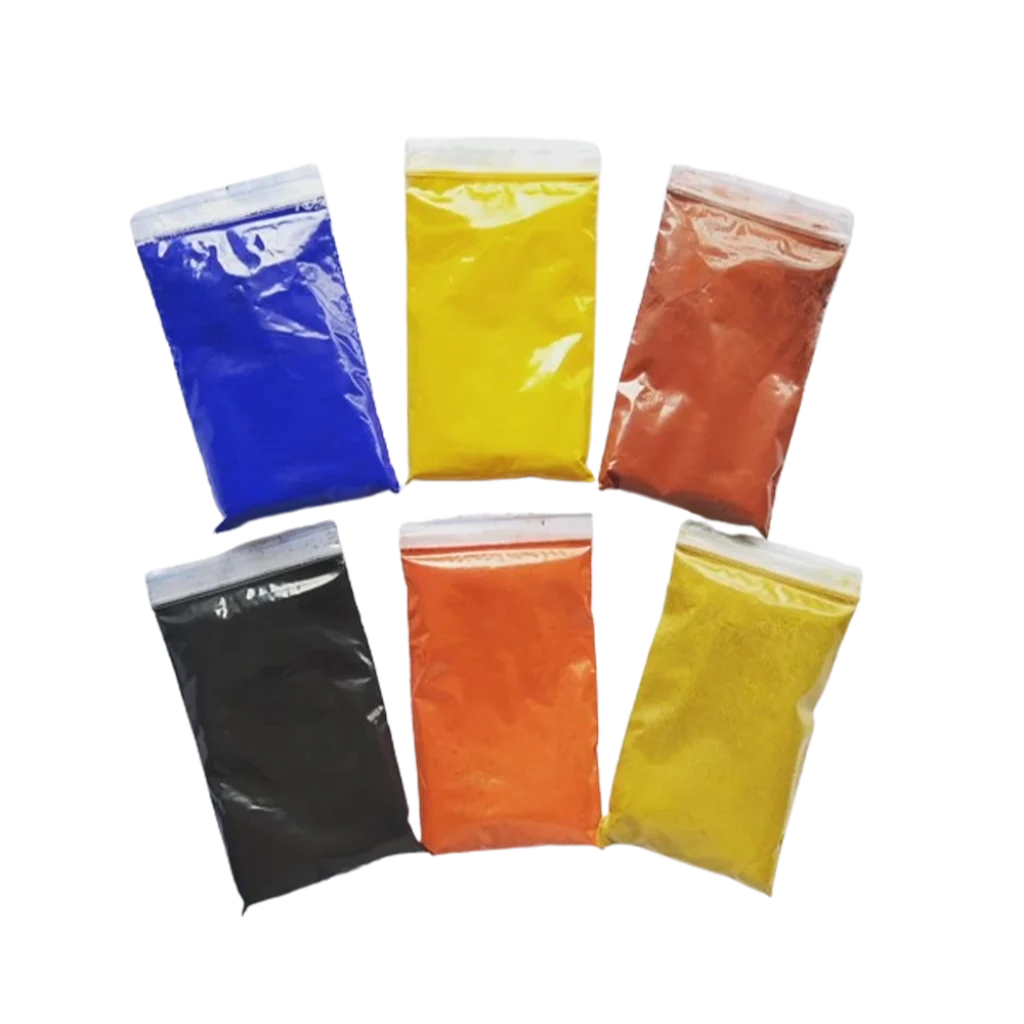
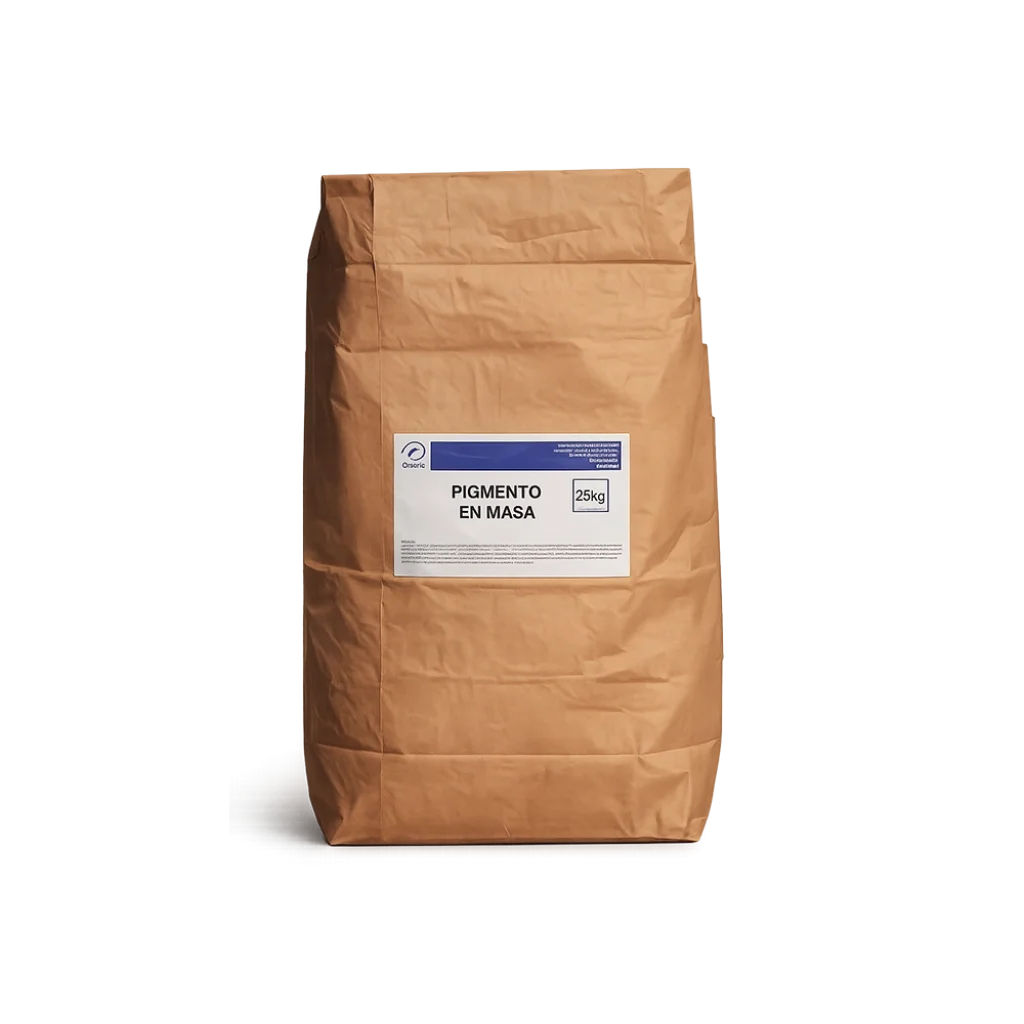
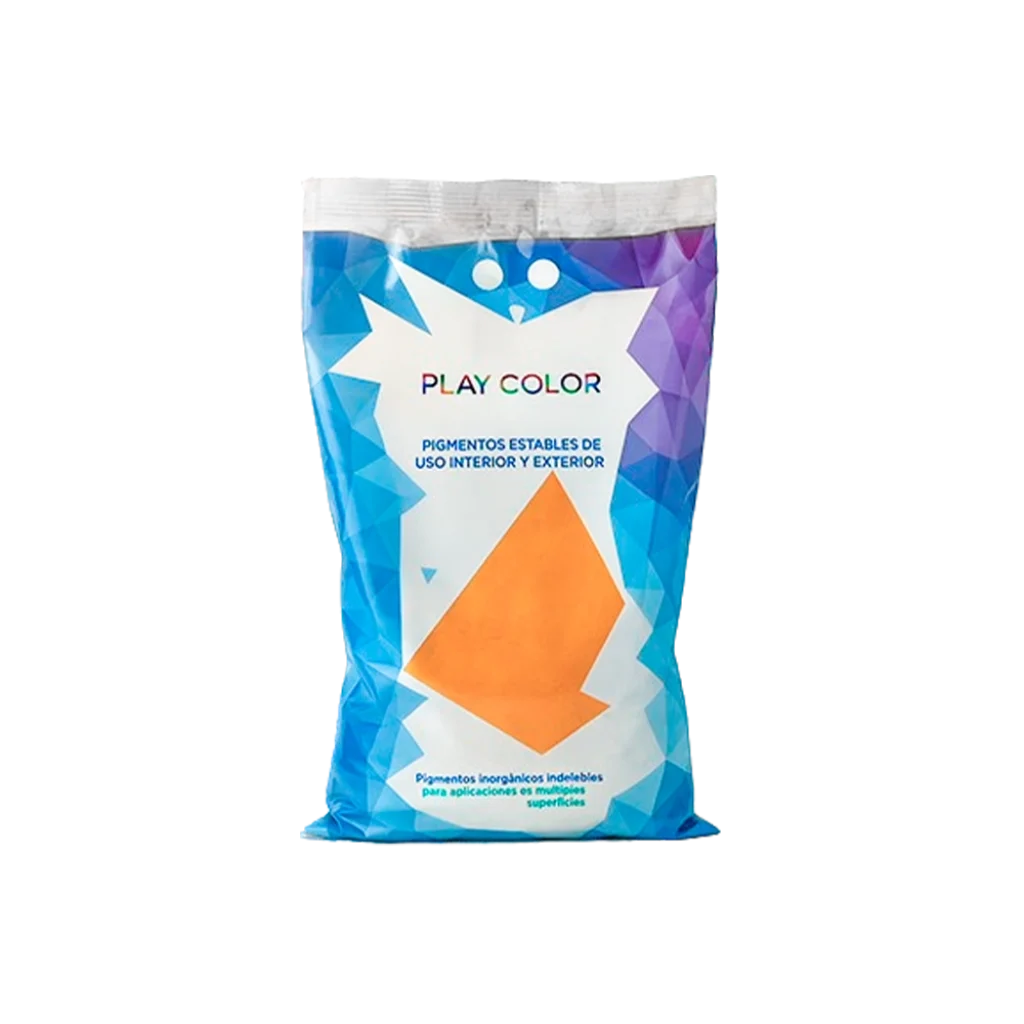
: Materials and Advice for Your Paving Projects
What pigment should I use to color concrete or mortar?
The choice depends on the material to be colored, the dosing system, and the intended finish. Pavicret offers iron oxide-based powder pigments, such as Pavicret Pigments; integral pigmentation systems, such as HD Pigments; and Playcolor inorganic pigments for various applications. It is important to check the compatibility and technical recommendations for each product.
How much pigment is needed to color concrete?
The dosage depends on the pigment, the type of cement, and the desired color intensity. At Pavicret Pigments, the color chart uses 3% pigment by weight of the gray cement as a reference. Other systems, such as HD Pigments, have their own dosage recommendations. It is advisable to conduct preliminary tests and follow the product’s technical data sheet.
Why can the color of pigmented concrete vary from one batch to the next?
Differences in shade may be due to variations in the dosage of pigment, cement, aggregates, the water-to-cement ratio, or mixing and curing conditions. To achieve a uniform color, it is important to keep the materials, proportions, and mixing procedure consistent, as well as to verify the result in advance using a sample.