


Fibers and Reinforcements for Concrete
At Pavicret, we offer a wide range of fibers and reinforcements for concrete and mortars, designed to improve their resistance to cracking and mechanical stress, depending on the type of reinforcement used.
Our Refordur line includes polypropylene fibers, alkali-resistant glass fibers, and metal fibers for use in industrial flooring, concrete slabs, precast elements, and other cement-based systems.
We offer solutions for professional applicators and construction companies, along with technical advice to help select the most suitable reinforcement based on the characteristics and requirements of each project.
METAL FIBERS
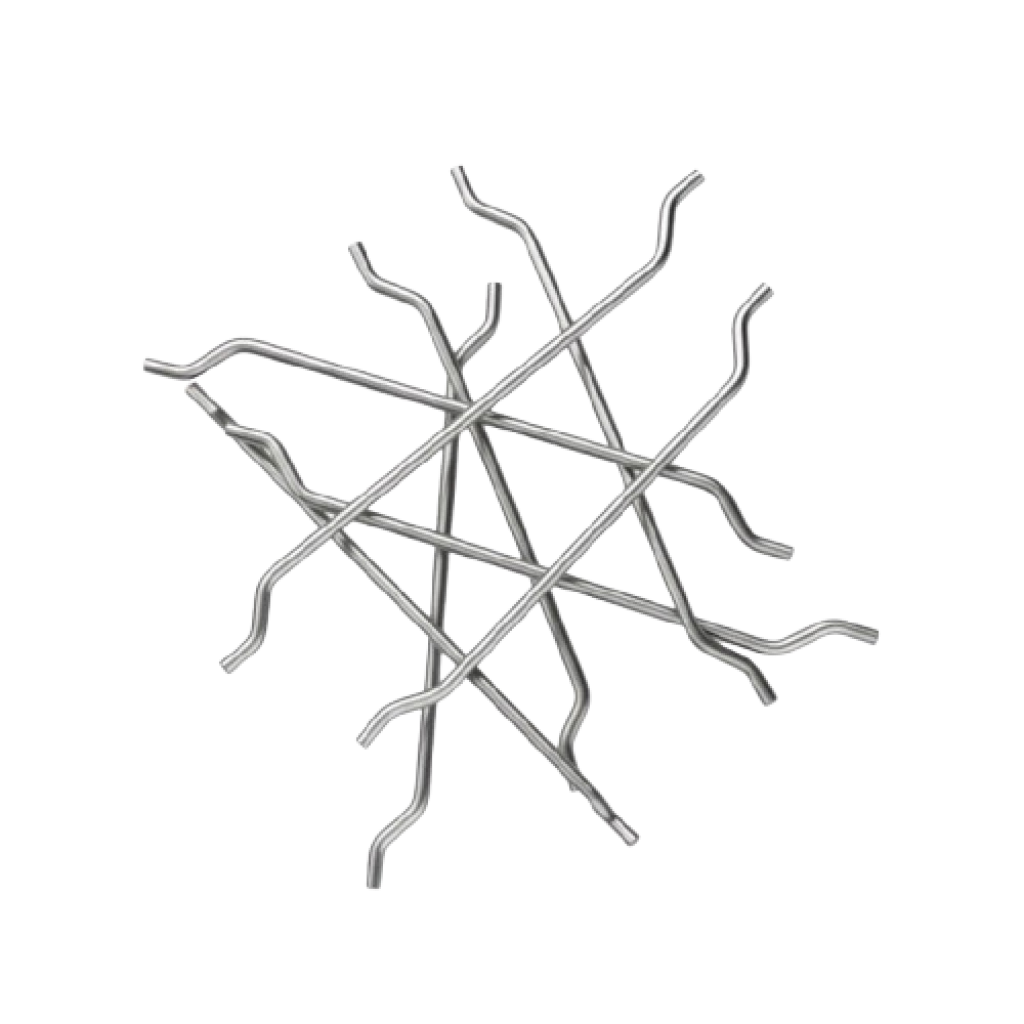
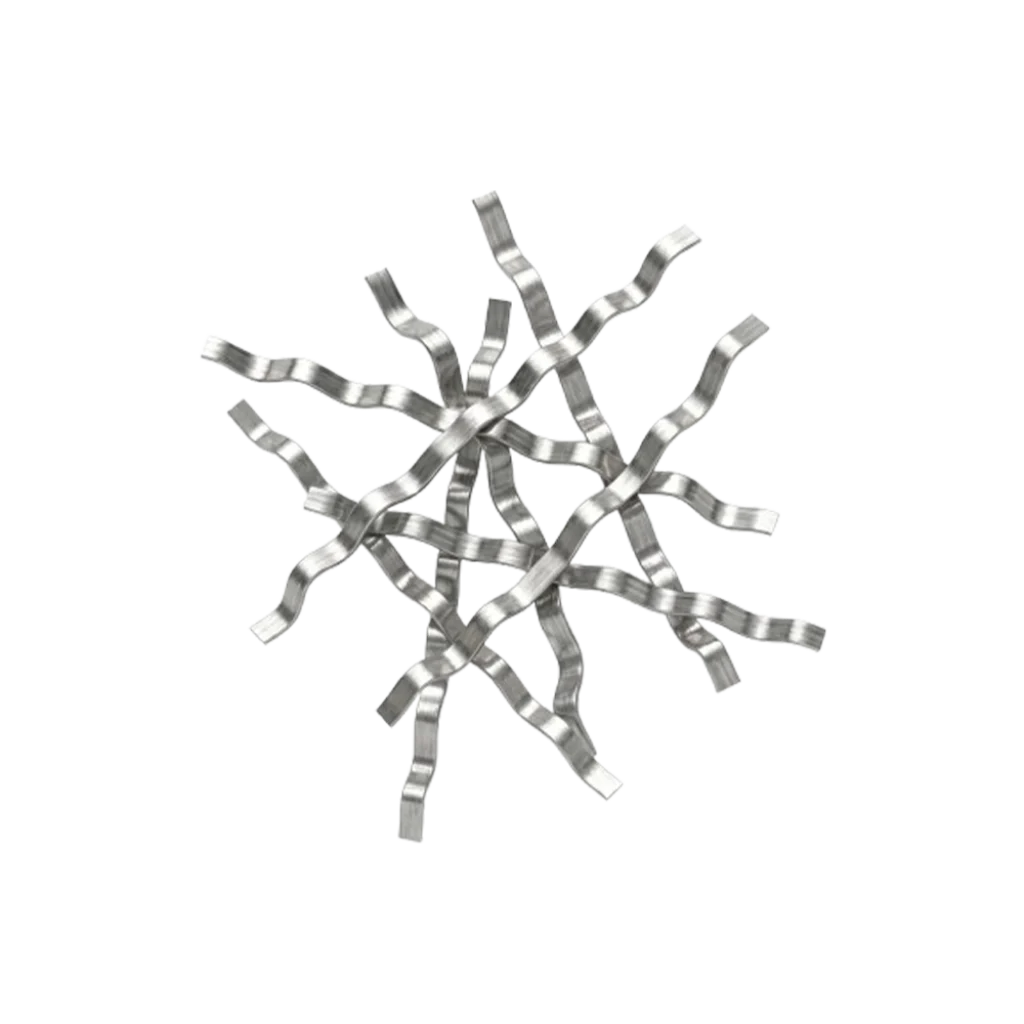
Metal fibers for concrete are used to improve its mechanical performance, particularly with regard to bending, impact, and crack propagation, depending on the fiber’s characteristics and dosage.
The Refordur Met line includes various steel fiber geometries for use in industrial flooring, concrete slabs, and other concrete elements. Their use as structural reinforcement requires justification through calculations and verified performance data.
GLASS AND POLYPROPYLENE FIBERS
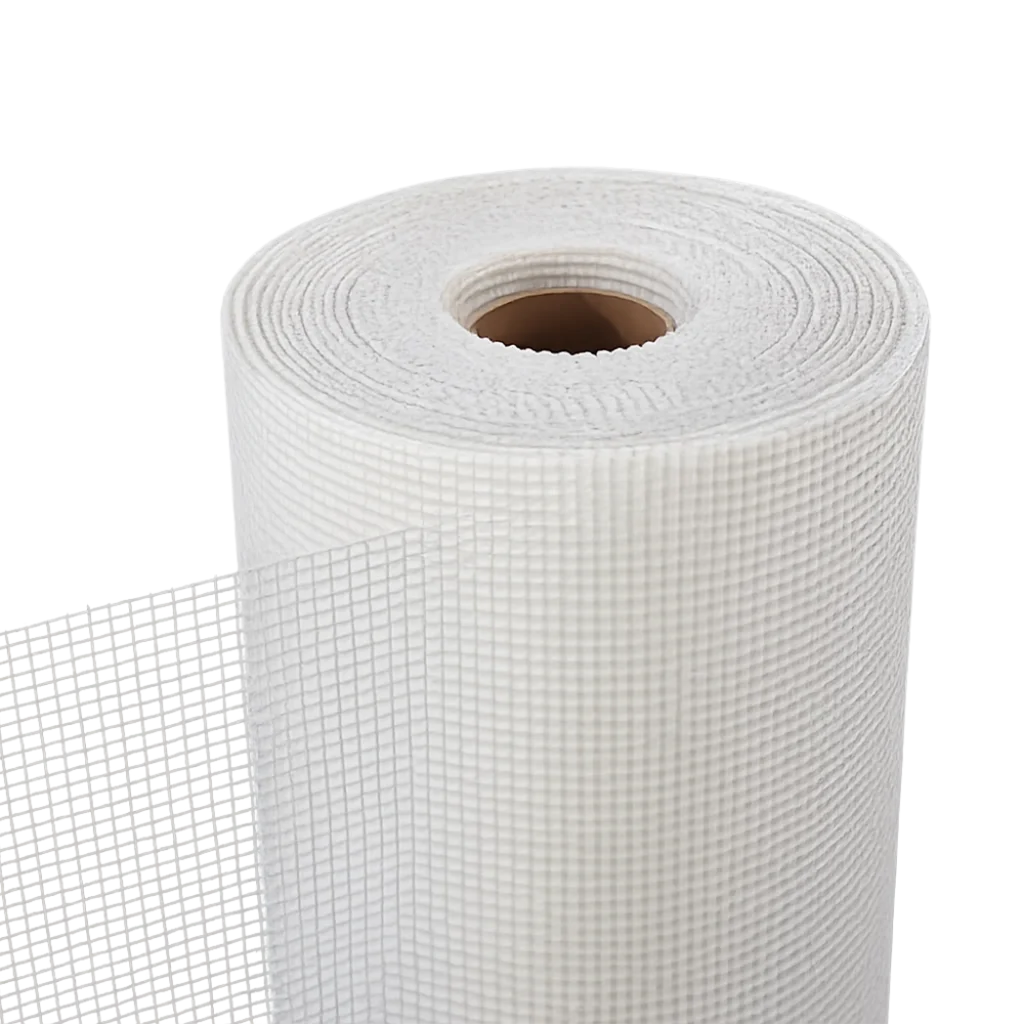
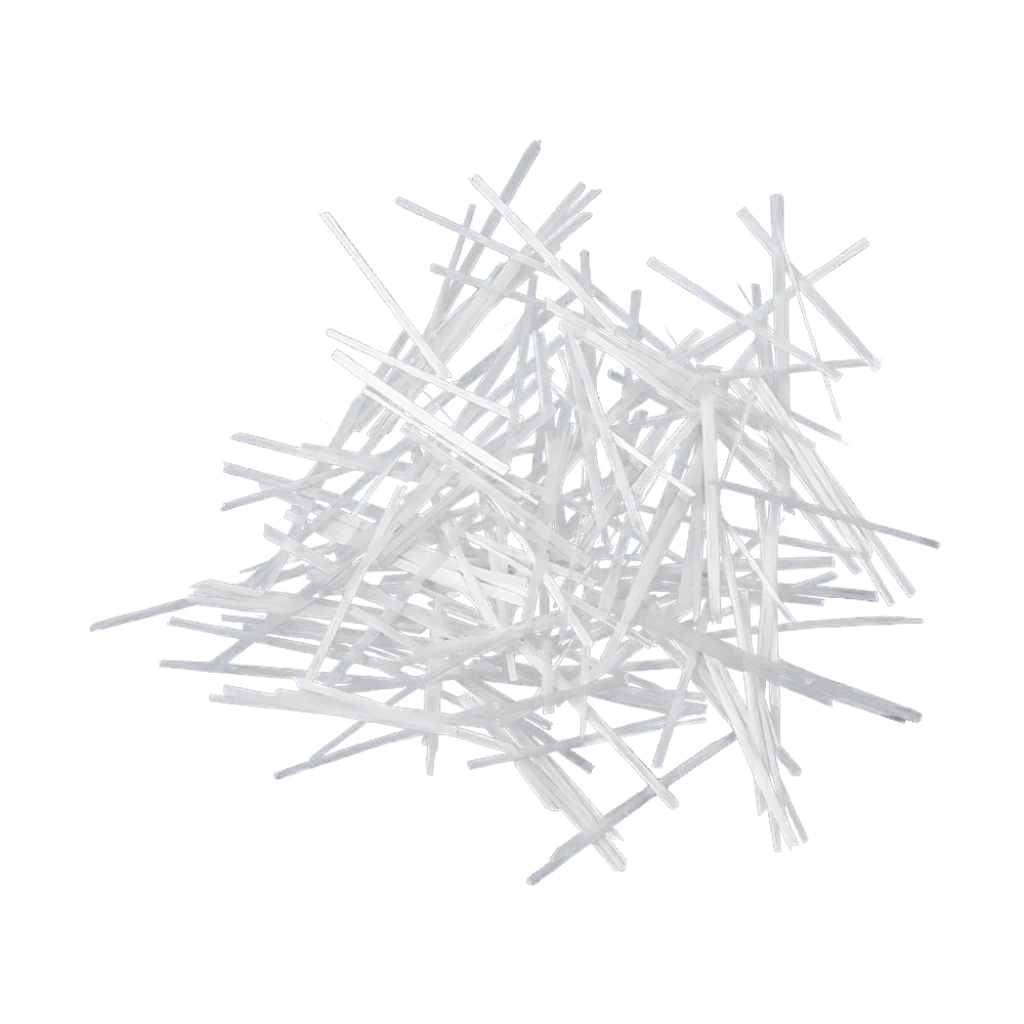
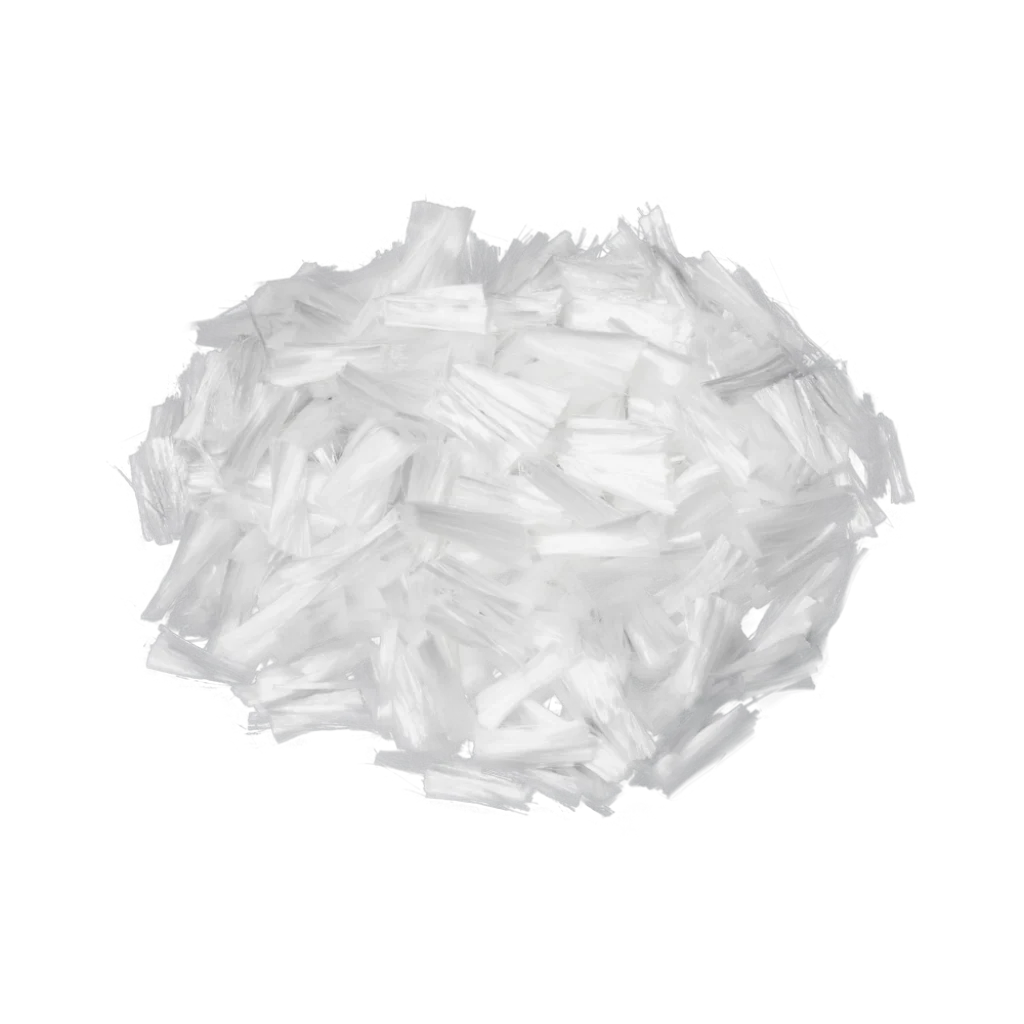
Glass and polypropylene fibers for concrete and mortars can improve certain properties of the material and help control cracking, depending on the type of fiber used. Pavicret offers alkali-resistant glass fibers (Refordur V12 AR and V36 AR), polypropylene fibers (Refordur AFC), and glass fiber mesh for various applications in flooring, mortars, and coatings.
OTHER REINFORCEMENTS
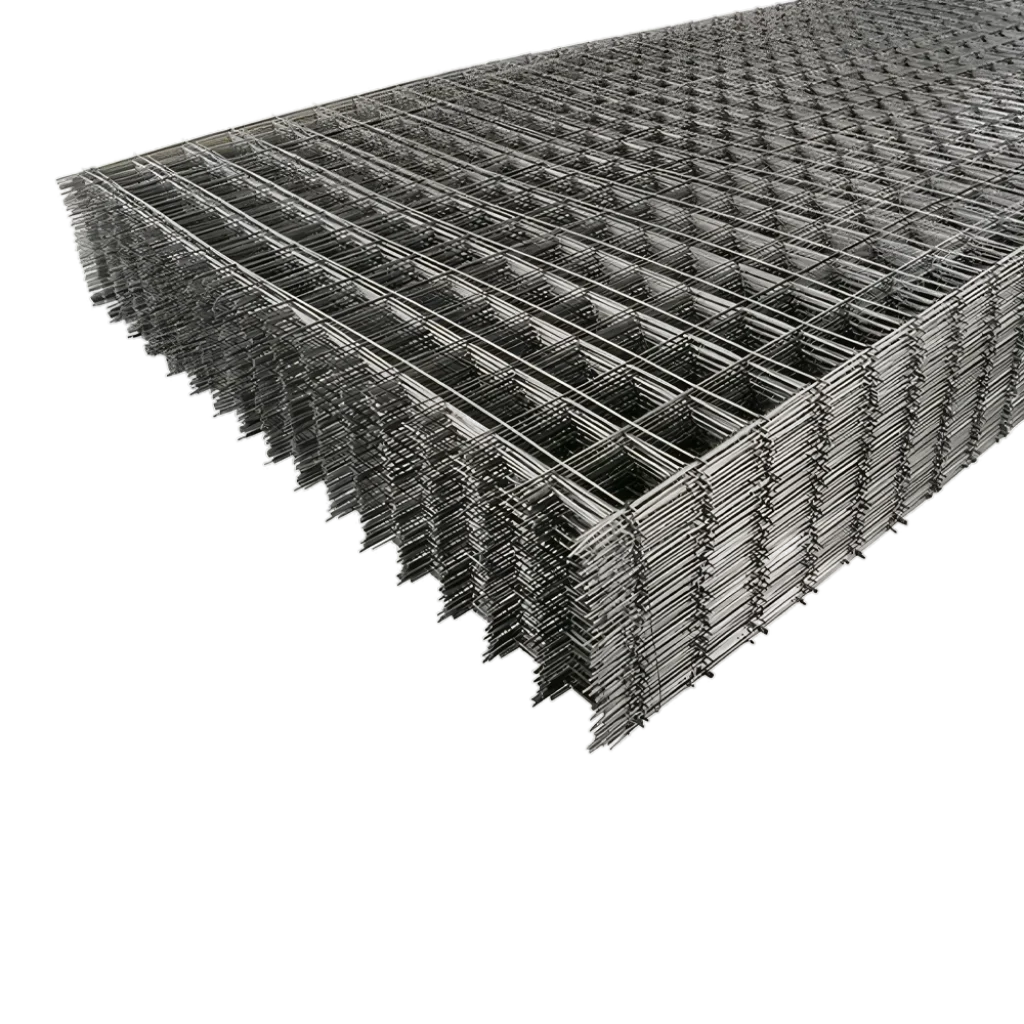
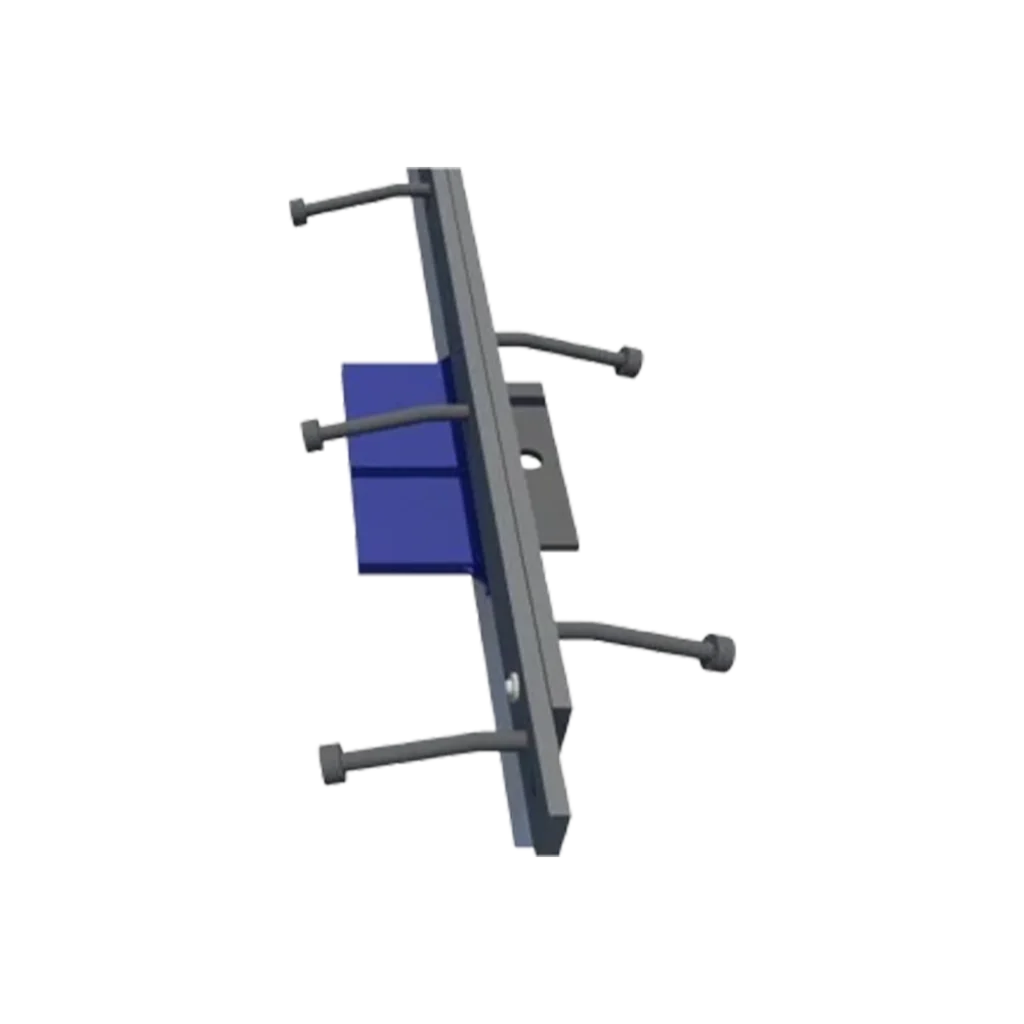
Pavicret offers complementary solutions for reinforcing and installing concrete floors, such as electro-welded mesh and Alpha metal joints. The mesh allows reinforcement to be incorporated into the concrete according to design requirements, while Alpha joints facilitate the formation and protection of joints in industrial flooring, contributing to load transfer between slabs depending on the system configuration.
: Materials and Advice for Your Paving Projects
What type of fiber should be used to reinforce a concrete floor?
The choice depends on the loads, the type of pavement, and the required performance characteristics. Polypropylene microfibers help control plastic shrinkage cracking, while certain alkali-resistant glass fibers and metal fibers can contribute to the mechanical behavior of concrete. The selection and dosage must be tailored to the technical requirements of each project.
Can concrete fibers replace welded wire mesh?
In certain applications, some fibers with verified mechanical properties can fully or partially replace conventional reinforcement. However, this possibility depends on the structural design, the loads, and the required residual strength. Polypropylene microfibers intended for controlling plastic shrinkage should not be considered a direct substitute for wire mesh. The solution must be justified through technical calculations.
Do reinforcing fibers prevent cracks from forming in concrete?
Fibers can help control certain cracking mechanisms, but they do not completely eliminate the risk of cracks. Their effectiveness depends on the type of fiber, the dosage, and the construction conditions. It is also essential to design the pavement correctly, provide the necessary joints, and ensure proper curing of the concrete.