


Curators

Perfect for indoor use

It retains moisture in the pavement while it cures

Optimal performance even in cold conditions
Shipping throughout Spain
You can contact us to request delivery anywhere in Spain, or visit us at or any of our locations throughout the country.
Technical Team
We have a technical team that will provide you with the best solutions tailored to your project. You can easily contact our technicians at any time.
Here's the product
Come visit any of our locations, and we'll show you why our product is the one you're looking for at .
Water-based sealants
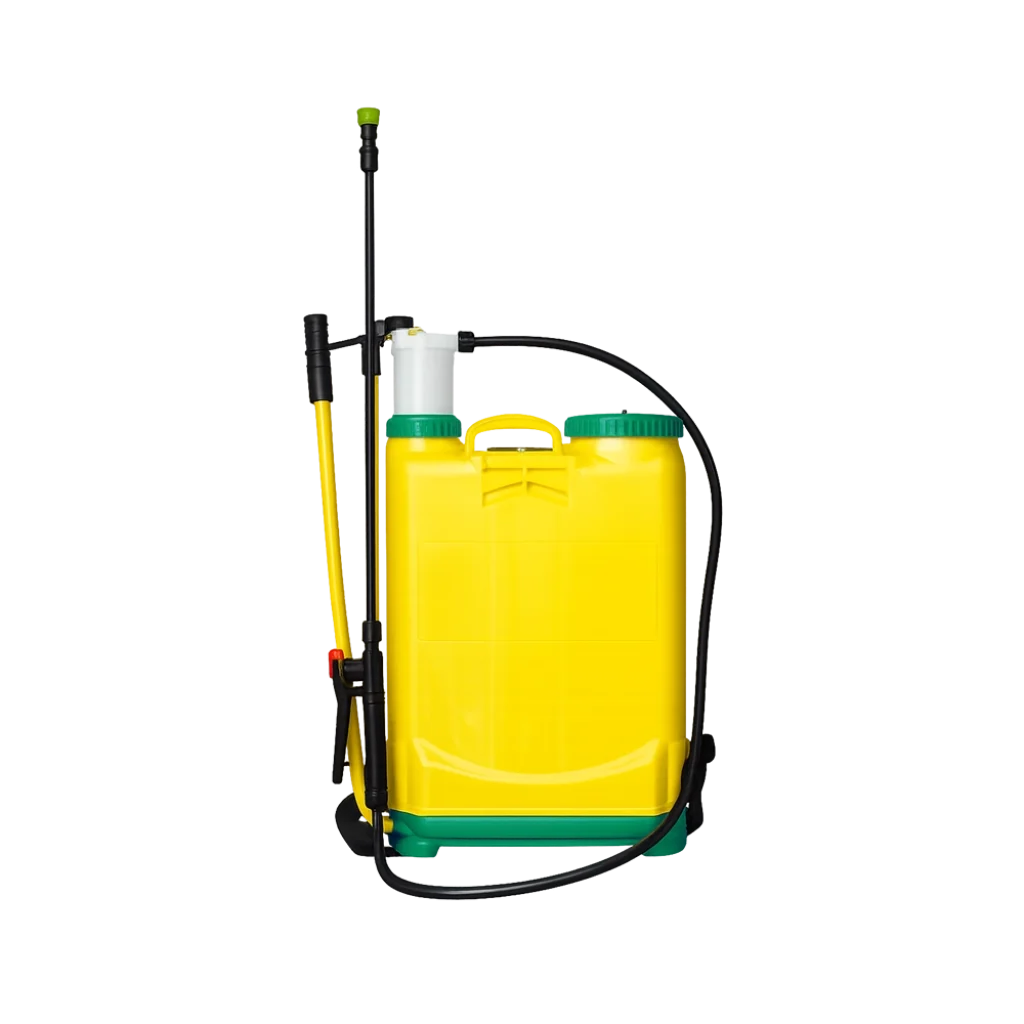
Contact us or visit any of our stores
Solvent-based sealers


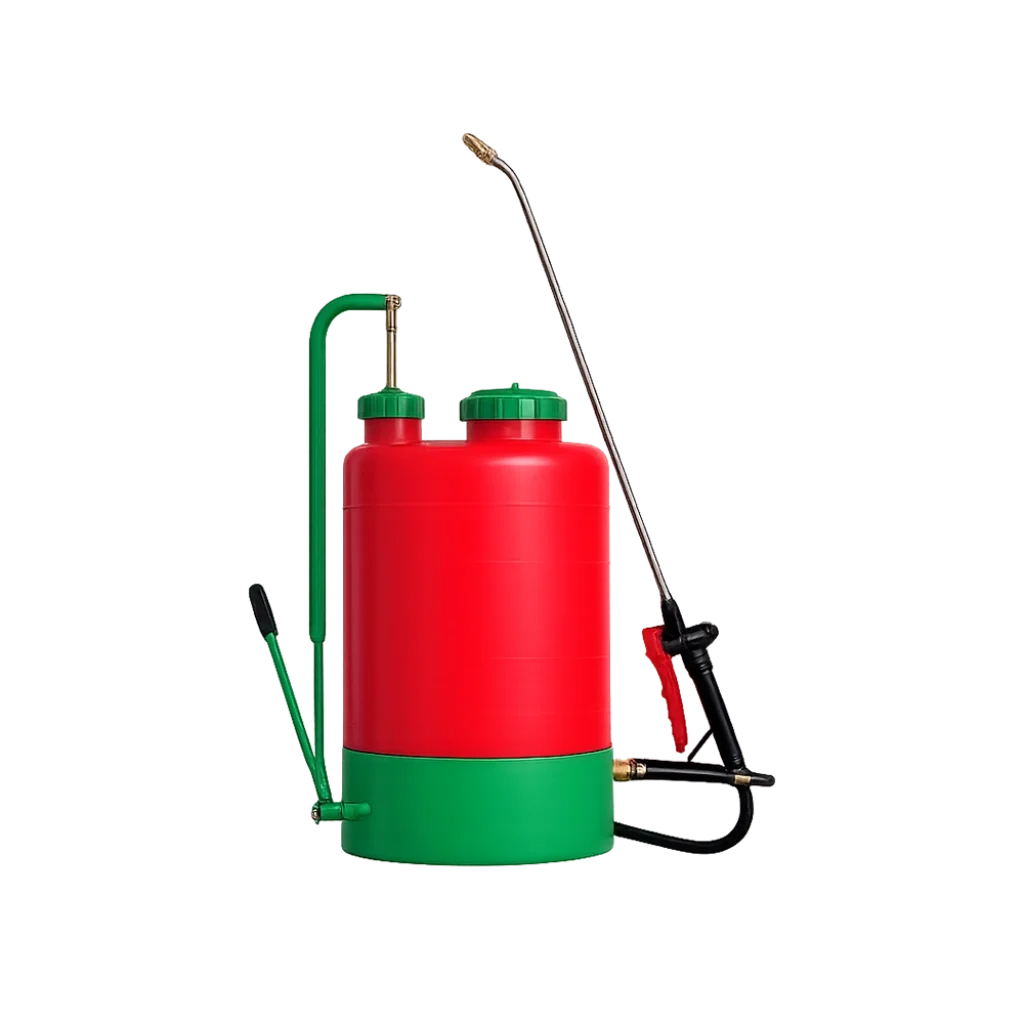
Pavicret Admixtures: The Invisible Partner That Ensures Concrete Strength
Curing agents are products that are sprayed immediately after troweling to retain the necessary moisture during the concrete’s initial hours. Without this protective film, water evaporates too quickly, microcracks appear, and surface strength drops by up to 30%. With Pavicret curing agents, you achieve uniform curing, prevent premature dusting, and ensure that your concrete slab reaches the intended hardness class.
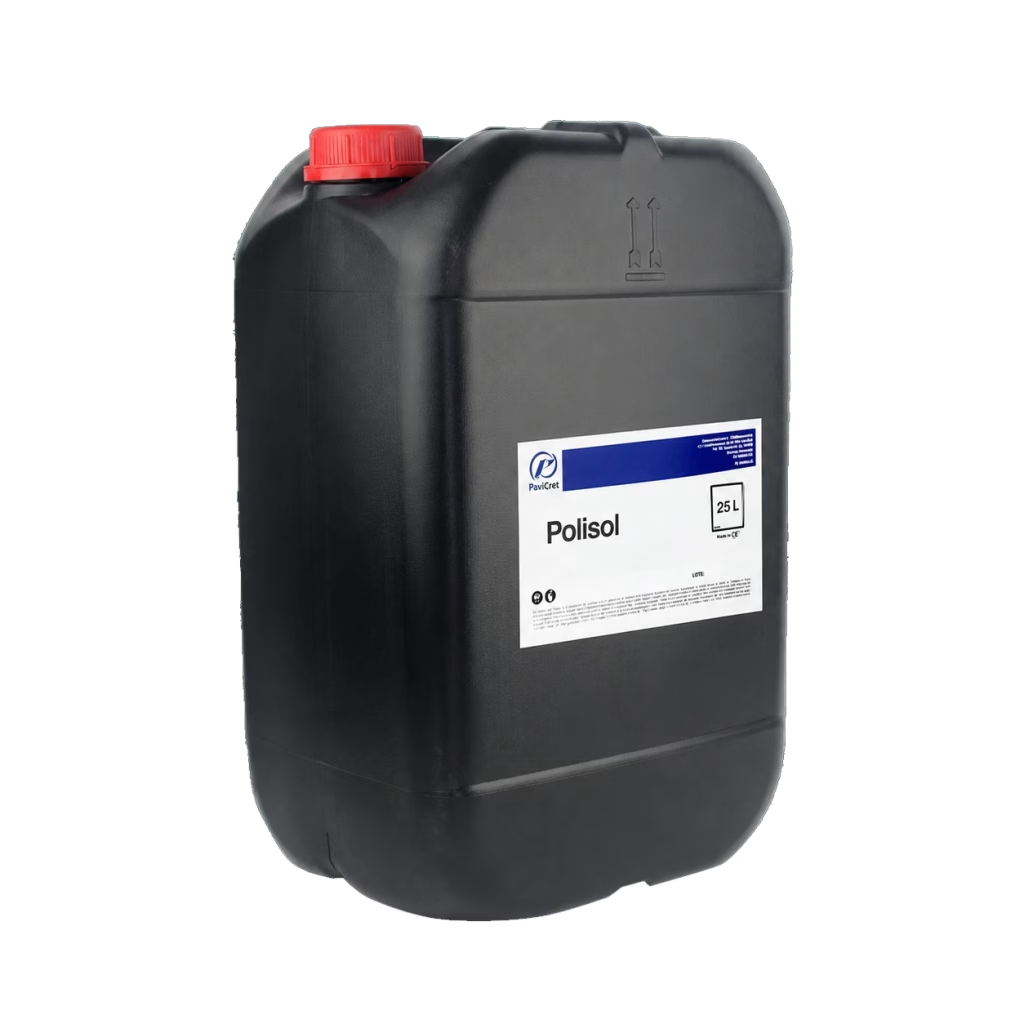
Water-based sealants
PoliSol and PaviSol Ecol form a continuous acrylic membrane that prevents the loss of mixing water and allows water vapor to escape. Since they are solvent-free and low-VOC formulations, they are ideal for poorly ventilated indoor spaces—such as food warehouses, logistics centers, or maintenance shops—and for hot outdoor environments where evaporation occurs very quickly. In addition, they can be cleaned with water, are non-flammable, and comply with sustainability regulations.
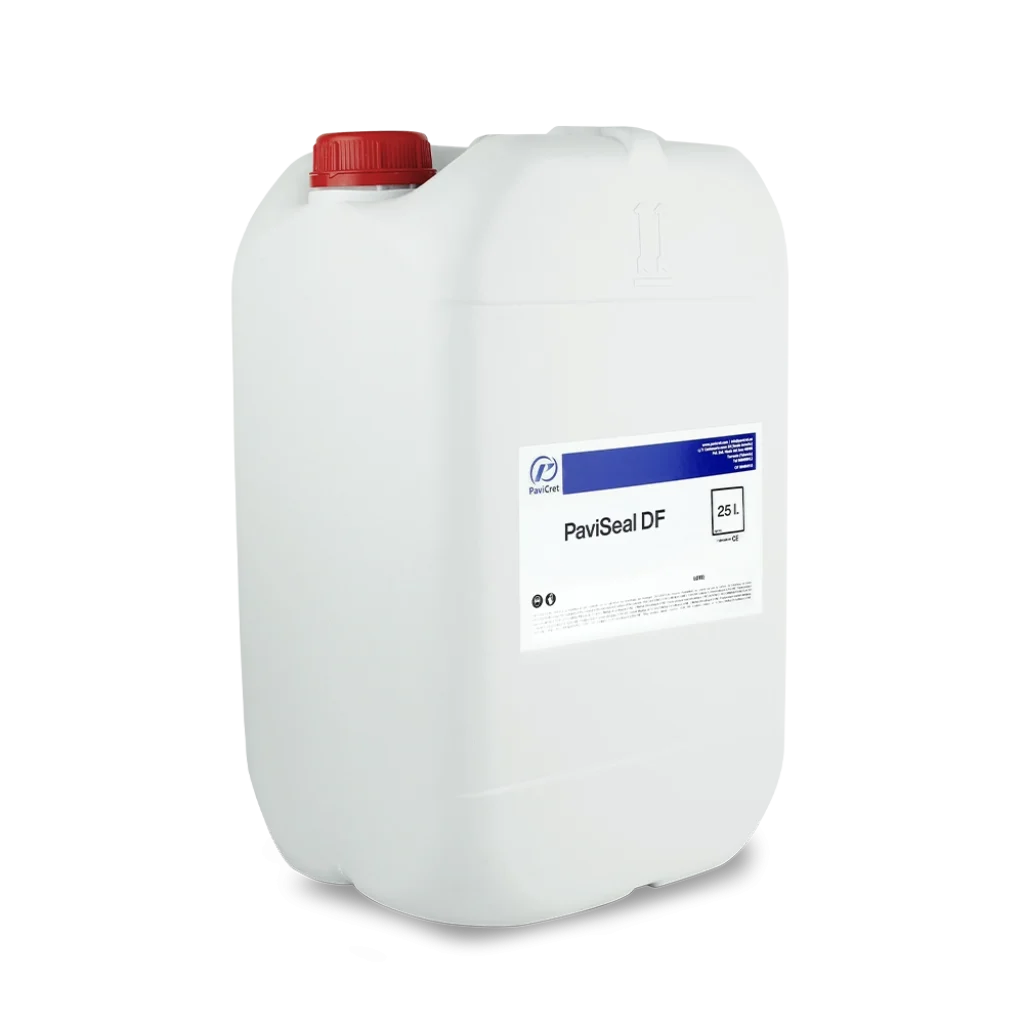
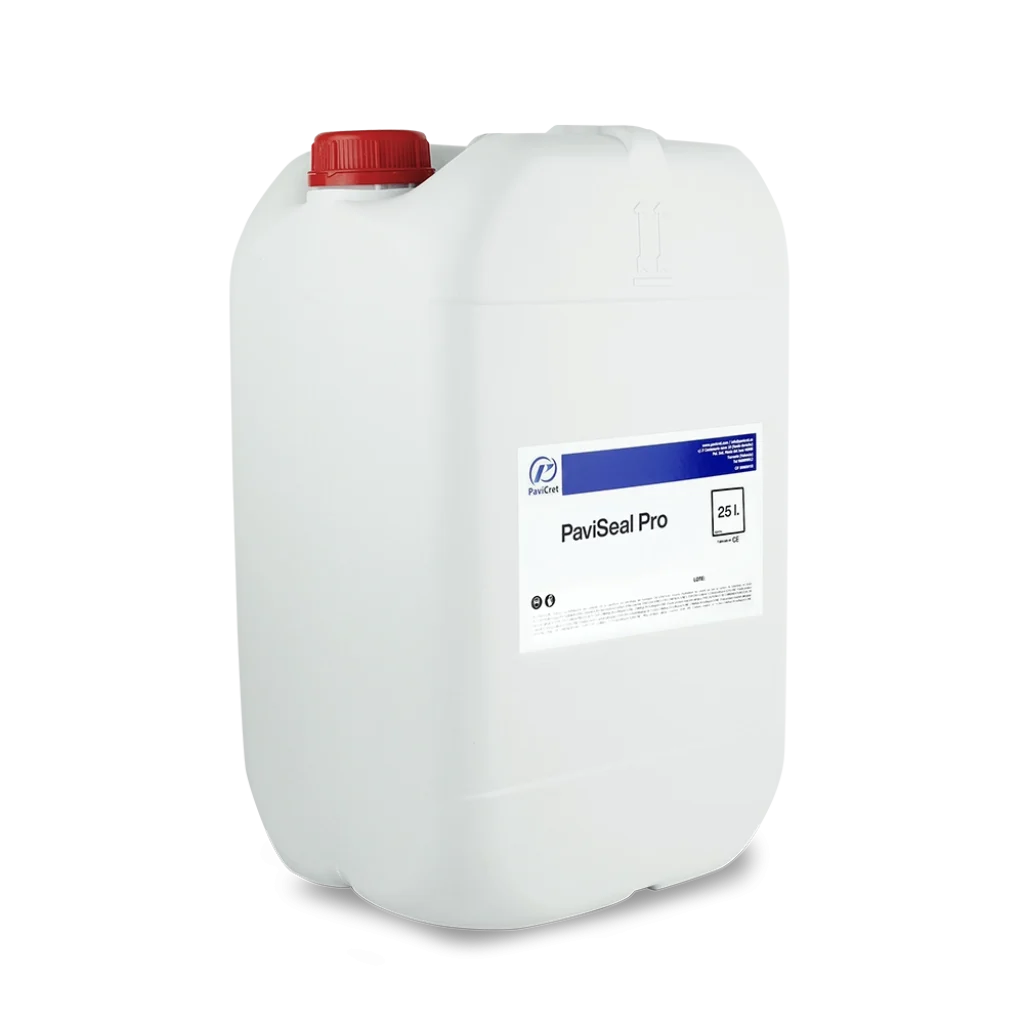
Solvent-based sealers
PaviSeal DF and PaviSeal Pro contain thermoplastic acrylic resins dissolved in organic solvents that penetrate quickly and set the film even at temperatures below 10 °C. They are the ideal solution for cold or humid climates where water-based curing agents take longer to dry. The finish has a slight sheen and enhances the color of the troweled layer.
| Sistema de curado | Tiempo de aplicación | Control de fisuras | Requerimientos posteriores | Coste medio* | Ventaja Pavicret |
|---|---|---|---|---|---|
| Pavicret (agua / disolvente) | 1 sola pulverización tras el fratasado | Alto | Ninguno; basta resellado cada 2–3 años | Bajo | Película respirable y compatible con resinas posteriores |
| Membrana parafínica base agua | Aplicación similar | Medio | Puede impedir pinturas futuras | Bajo | Económica pero menos resistente a tráfico pesado |
| Densificador de silicato (litio/sodio) | 24 h después del vertido | Bajo–medio | Pulido o fregado posterior | Medio | Aumenta densidad pero no controla evaporación inicial |
| Láminas húmedas / riego | Colocación continua durante 7 días | Alto | Mano de obra diaria, agua abundante | Bajo | Método tradicional, poco viable en grandes superficies |
| Curado al vapor | En cámaras cerradas | Muy alto | Instalación y energía especial | Alto | Solo en prefabricados; no apto en obra |

Certified by Bureau Veritas
Committed to quality. At Pavicret, we are certified to ISO 9001certification, awarded by Bureau Veritas, ensuring that all our processes meet the highest standards of quality management. This international recognition underscores our commitment to continuous improvement, efficiency, and, above all, customer satisfaction.

FAQs - Frequently Asked Questions About Pavicret Stamped Concrete
When should I apply the curing agent?
Immediately after the final pass with the trowel and once the surface is no longer shiny from the water; no later than 60 minutes after pouring.
What is the approximate yield?
Between 0.12 and 0.18 l/m² for PoliSol; 0.10 l/m² for PaviSeal DF, depending on the porosity of the concrete.
Can I paint or lay flooring later?
Yes. Light sanding or an alkaline wash is sufficient to improve adhesion before applying epoxy, polyurethane, or road markings.
What is the minimum temperature I need?
Water-based sealers work at temperatures as low as 8 °C; solvent-based sealers can be applied at 0 °C as long as the surface is not frozen.
How long does the protective film last?
It maintains its sealing effect for 2 to 3 years; after that, it is recommended to reapply a thin coat to prolong its shine and water-repellent properties.
How do I clean the tool?
Water and soap for water-based products; organic solvent (or acrylic thinner) for solvent-based curing agents.